
By 2026, Death Stranding 2: On the Beach has already earned its place among Hideo Kojima's most ambitious sequels. But the recently released The Art of Death Stranding 2 proves that some of the wildest ideas never made it past the concept phase. The book is a hefty, gorgeous collection of work by art director Yoji Shinkawa and his team, and it gives fans a peek at the roads not taken. It is now available at major retailers for around $40, down from $50. Of course, it would be a real "what could have been" situation without a spoiler warning, so consider this a bright neon sign: major Death Stranding 2 spoilers ahead.
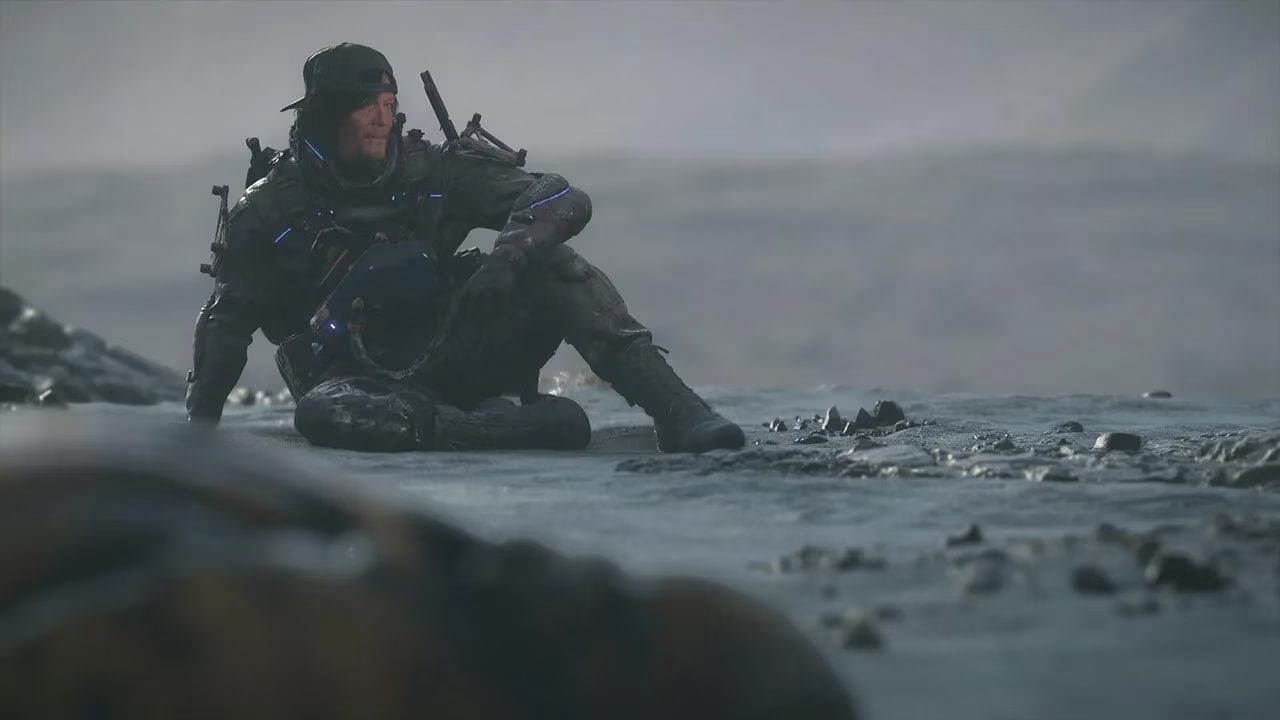
Kojima began working on the sequel shortly after the first Death Stranding wrapped, but the COVID pandemic in 2020 led him to rethink the very idea of connection and write a new story. That shift makes the art book even more interesting, because many of the concepts reflect ideas that were explored before the game settled into its final shape.
Fragile Almost Piloted a Mech Suit
Fragile is a force to be reckoned with in the final game, but concept art shows she was almost sent into combat inside a mech suit. Early exoskeleton designs looked like they belonged in an '80s cyberpunk anime, with exaggerated shoulders, insect-like leg augmentations, and bulky armor. Talk about a curveball. Ultimately, Kojima Productions decided that Fragile would take on a leadership role instead of becoming a frontline brawler.
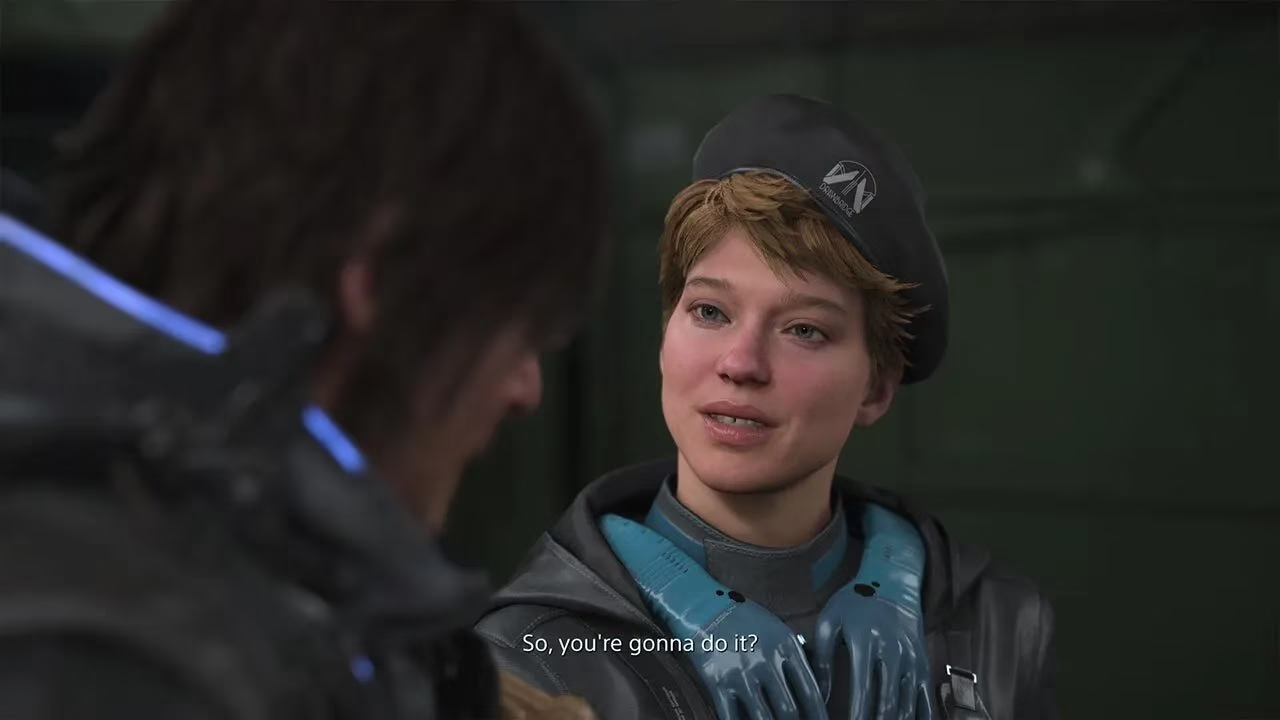
Sam and Fragile Traded Fatigues for Power Suits
One of the more stylish what-ifs involved Sam and Fragile swapping their Timefall-resistant fatigues for boardroom power suits. Sam's early outfit was especially chic, thanks to bold colors and a turtleneck. Players who know Sam as a rugged delivery man might get a kick out of seeing him looking like a fashion week regular.
Tomorrow Could Shape-Shift and Wield a Katana
Tomorrow's final reveal is already wild, as she can throw hands with BTs and Higgs. But early ideas took things even further, with the art team considering shape-shifting abilities and a katana. That would have been one heck of an upgrade from bare-knuckle brawling.
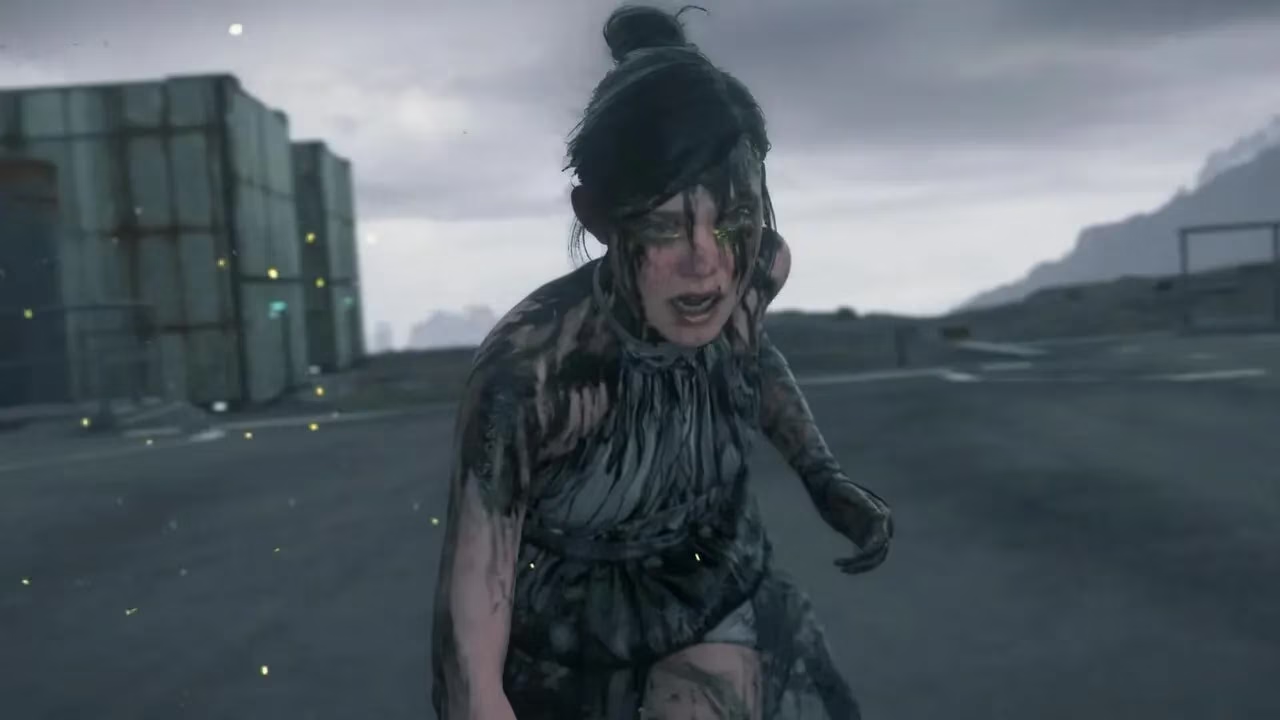
Tarman's Cat Almost Got a BT Makeover
Tarman's cat-like companion is already creepy, being constantly drenched in tar and sporting demonic wings. The concept team also experimented with giving the cat more BT-like traits, including a face that could erupt into a maw of teeth and tentacles. Some ideas are better left on the cutting room floor.
Dollman's Nutcracker Nightmare
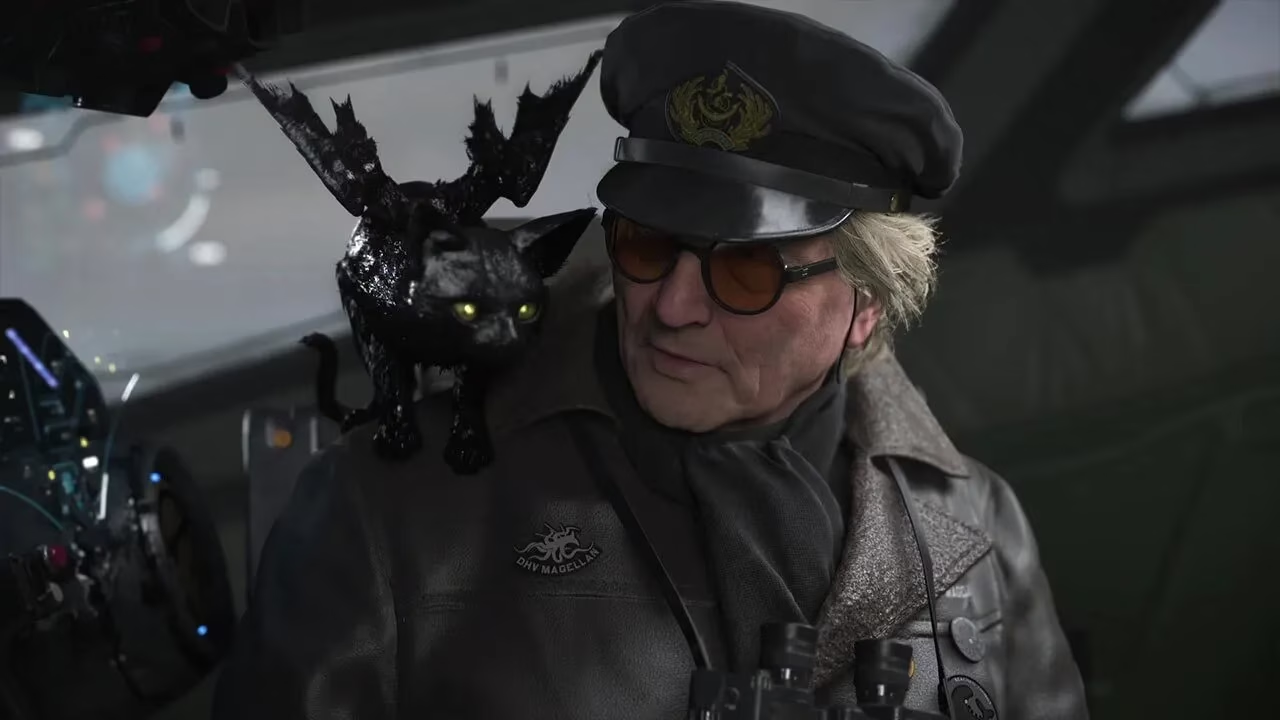
Dollman's final design resembles a ventriloquist dummy, but one earlier idea had a festive theme. The art team briefly imagined Dollman as a Nutcracker Prince-style doll, then added enough creepy touches to turn a lovable sidekick into pure nightmare fuel.
Die Hardman Almost Went Nomadic
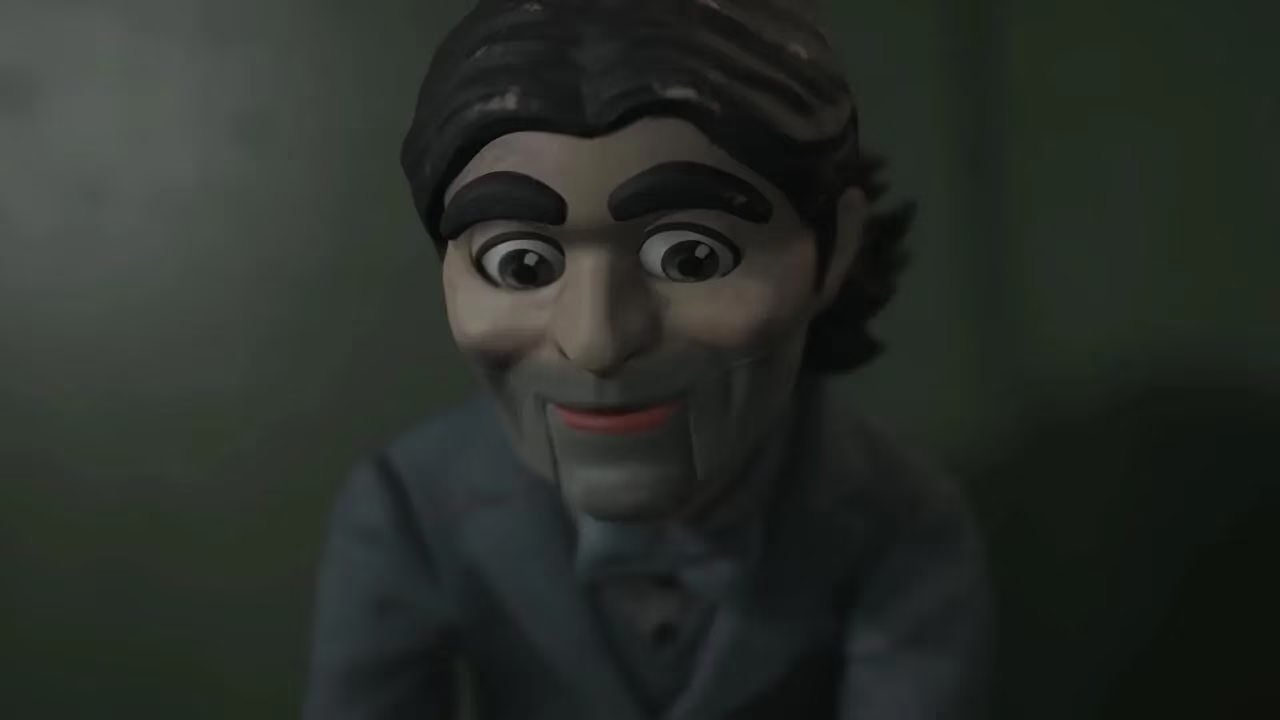
After carrying an enormous amount of guilt from the first game, Die Hardman makes a theatrical song-and-dance debut in the sequel. Early designs toyed with giving him a nomadic appearance and an impressive beard, which would have been quite the visual shift for the usually clean-cut character.
Neil Vana's Metal Gear Roots
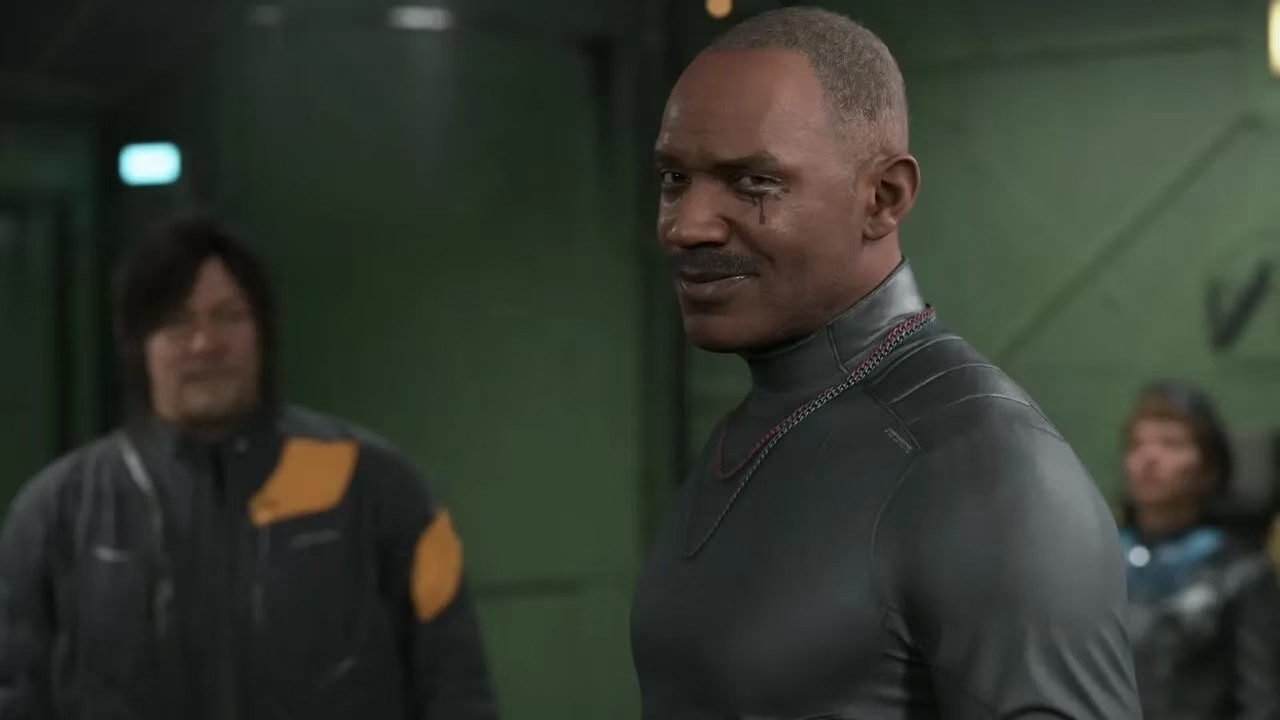
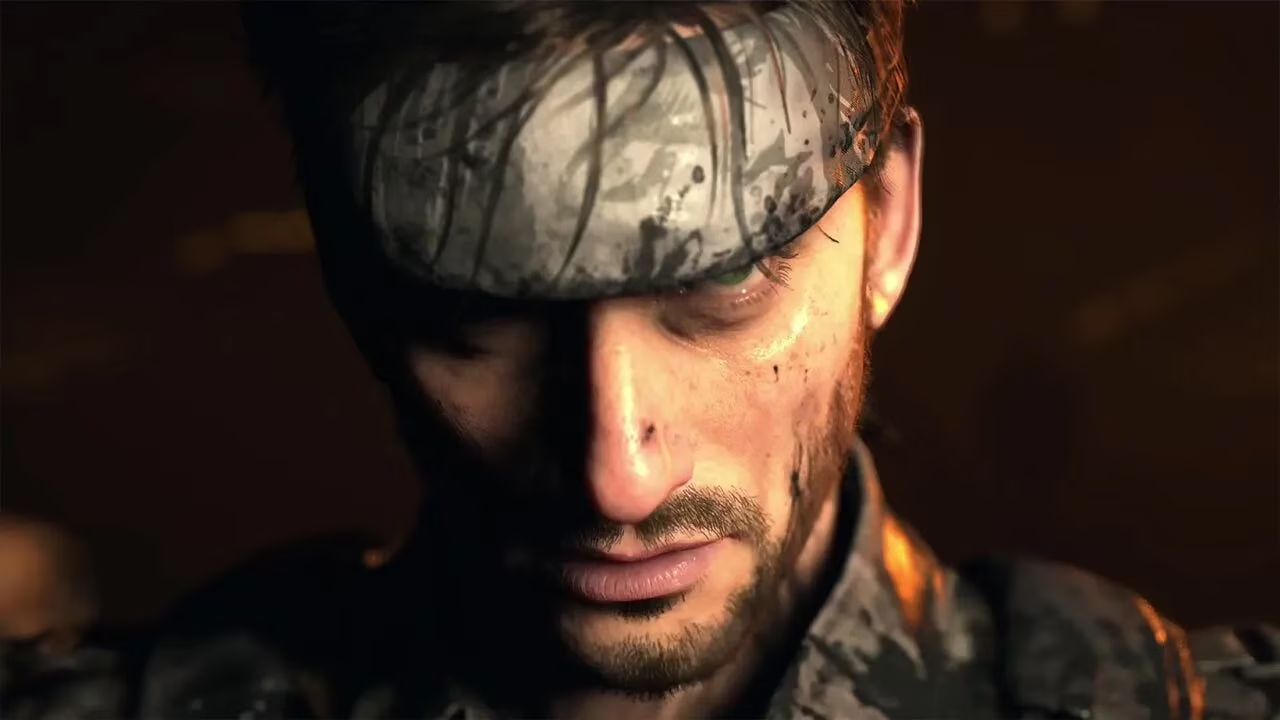
Neil Vana resembling Metal Gear Solid's Solid Snake was no accident. Other designs for the character included a Border Patrol agent, an aged master swordsman, and a soldier with a visor that looks very similar to Raiden's from Metal Gear Rising: Revengeance. Kojima fans who keep their eyes peeled will appreciate those calling cards.
BTs, Chiral Creatures, and a Giger Homage
The sequel's Beached Things evolved into even deadlier forms, and the team looked to marine life for inspiration. Some nightmarish designs mixed human, squid, manta ray, and crab influences. If that wasn't enough, a cut idea for Chiral creatures included a nesting ground that resembled a spider's nest, with thick webs threaded through natural rock formations.
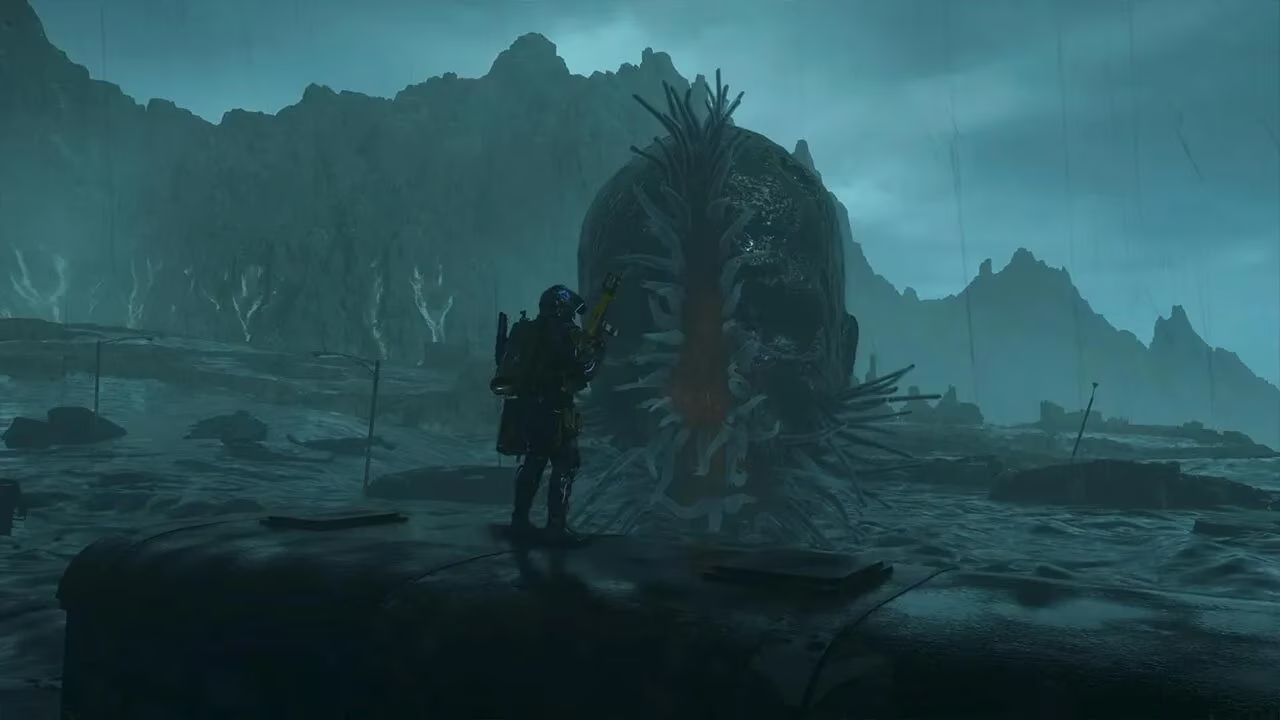
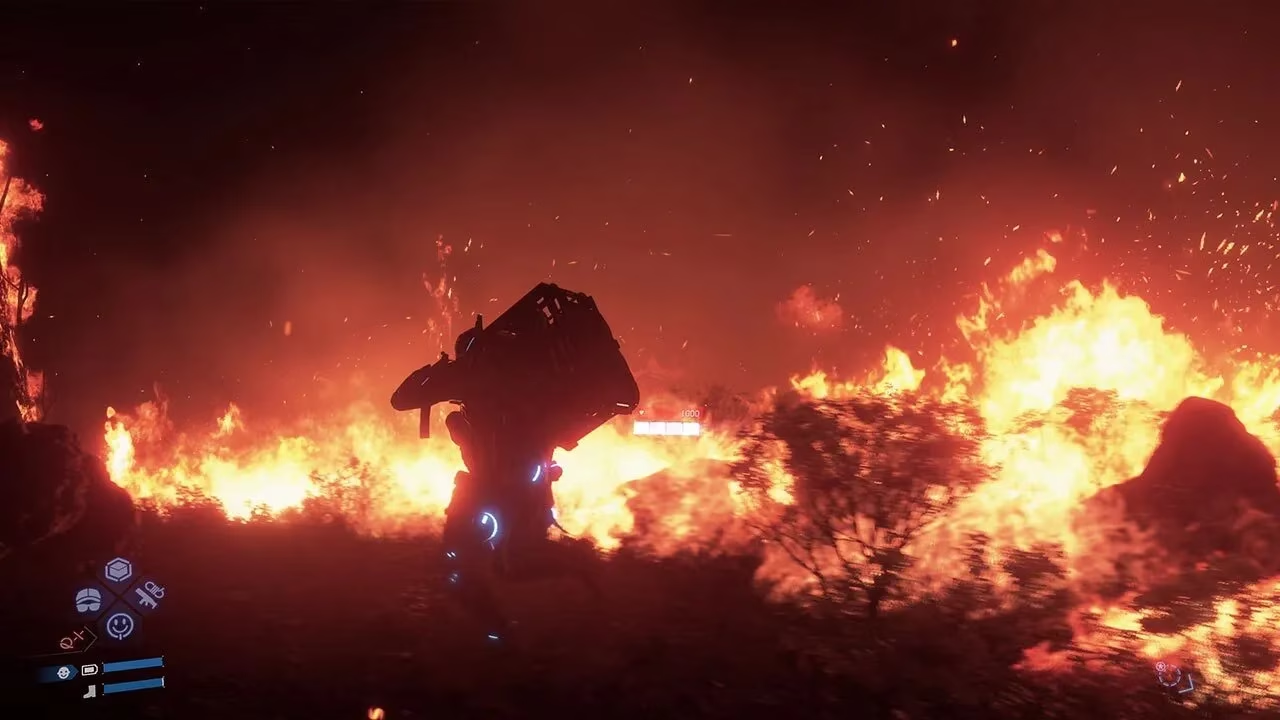
As a nod to Swiss artist HR Giger, one ghost-mech design has a head inspired by the Xenomorph skull from the Alien movies. The brutish mech that carries Higgs in his coffin features a mechanical skull that clearly echoes that iconic Alien design.
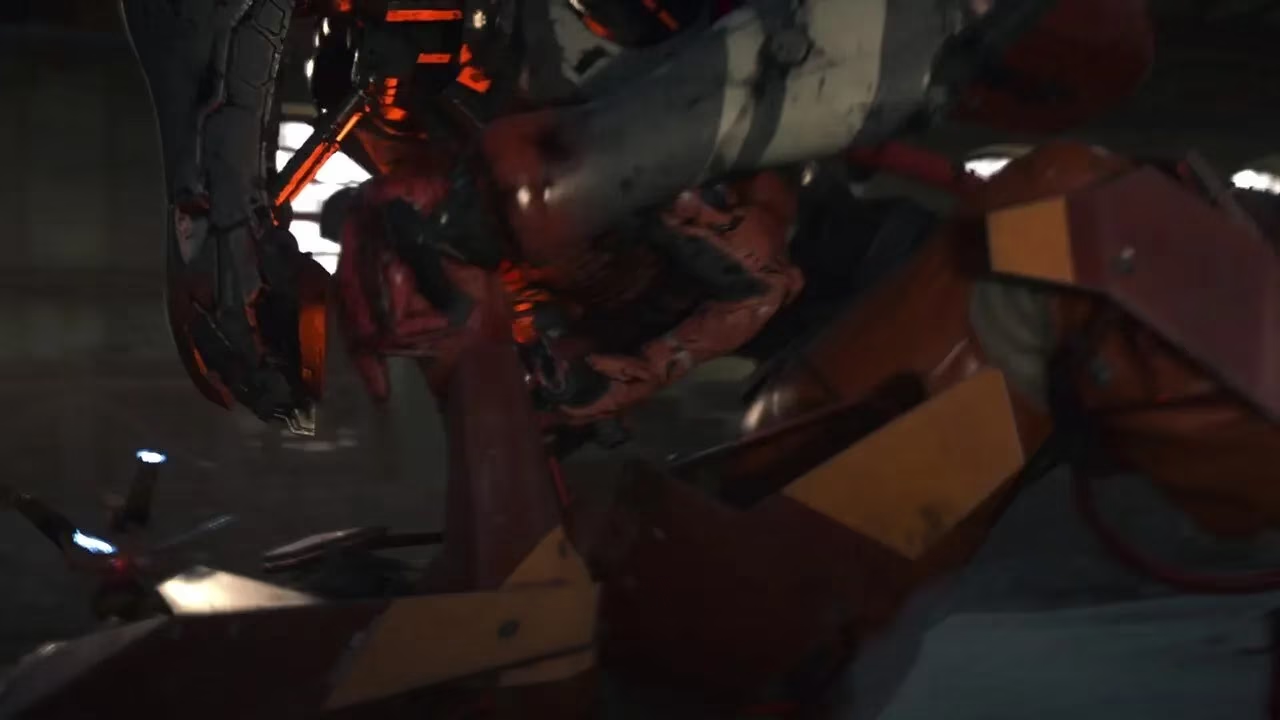
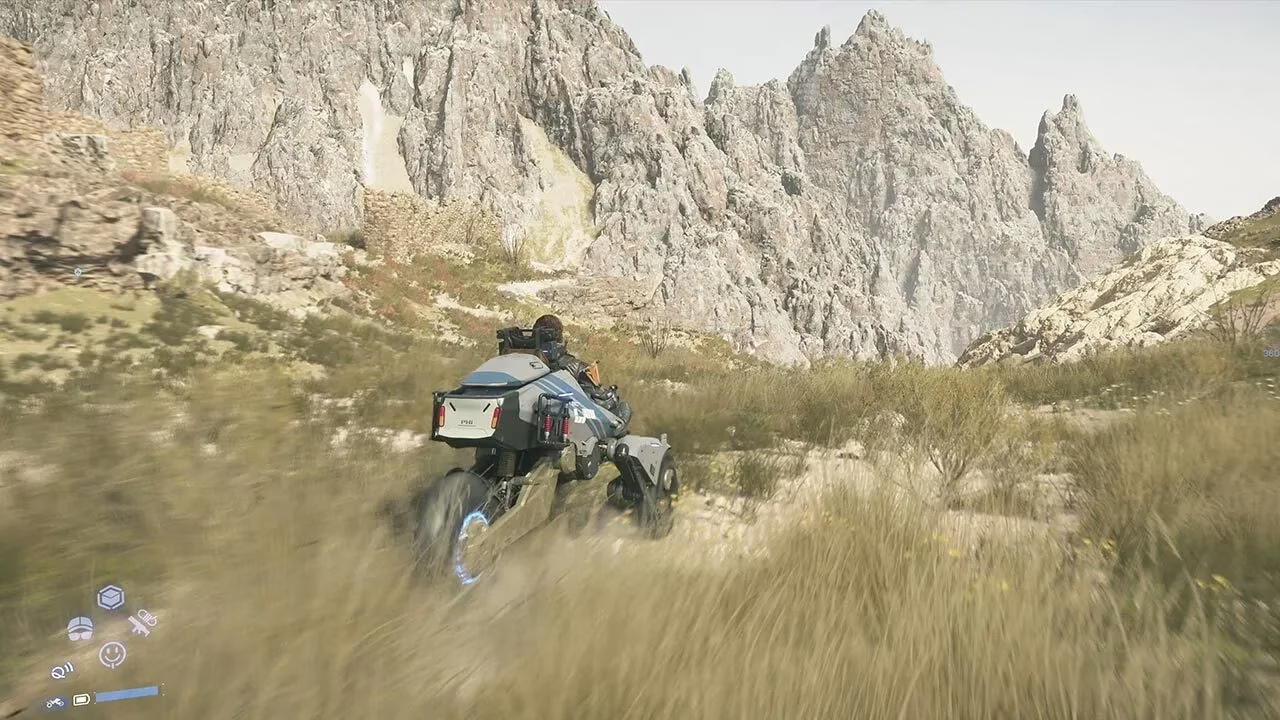
Horse Mechs, Spider Mounts, and the DHV Magellan
Sam gets plenty of vehicles in Death Stranding 2, including a coffin-shaped surfboard. But one cut idea would have given players a quadrupedal mount to ride across the wilderness. Concepts included a horse-like mech with an apocalyptic flair and a spider-like design with insectile appendages.
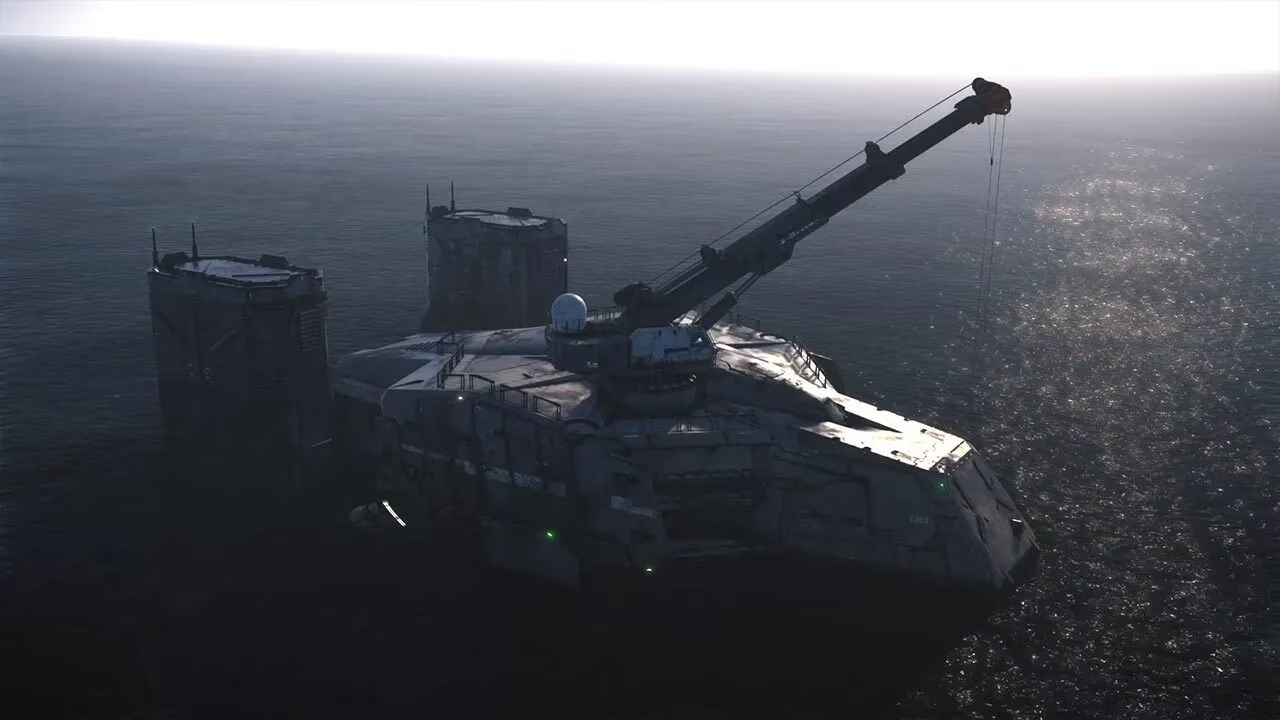
The DHV Magellan is another tribute to Kojima's past, bearing a strong resemblance to Metal Gear Rex. Early designs, though, drifted toward a conventional cargo ship or submarine before the team leaned into the Metal Gear look.
Red Samurai and the Deadman Connection
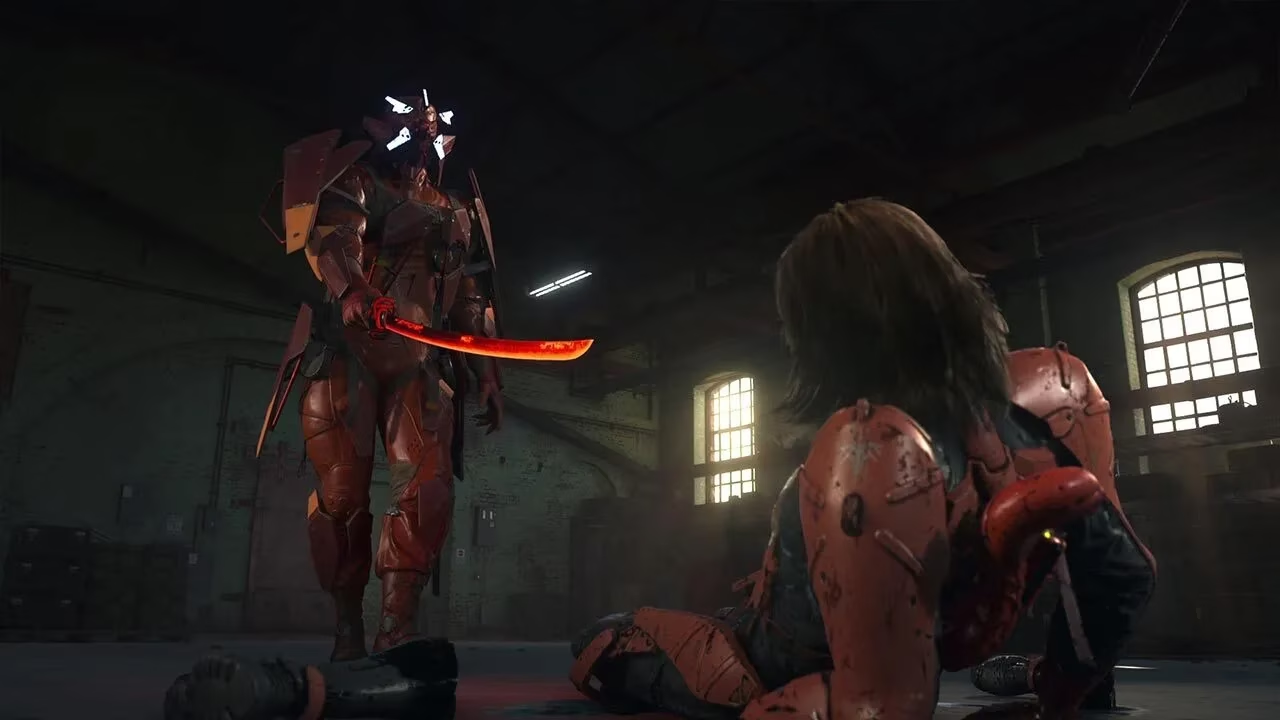
Throughout the journey, Sam is saved by a mysterious Red Samurai. Later, players learn that the hulking warrior contains Deadman's corpse and is controlled by him from his Beach. The art book also shows some sharp foreshadowing: in Deadman's Mexico lab, several body bags match the size and physique of the Red Samurai.
Pizza Chef's Signature Detail
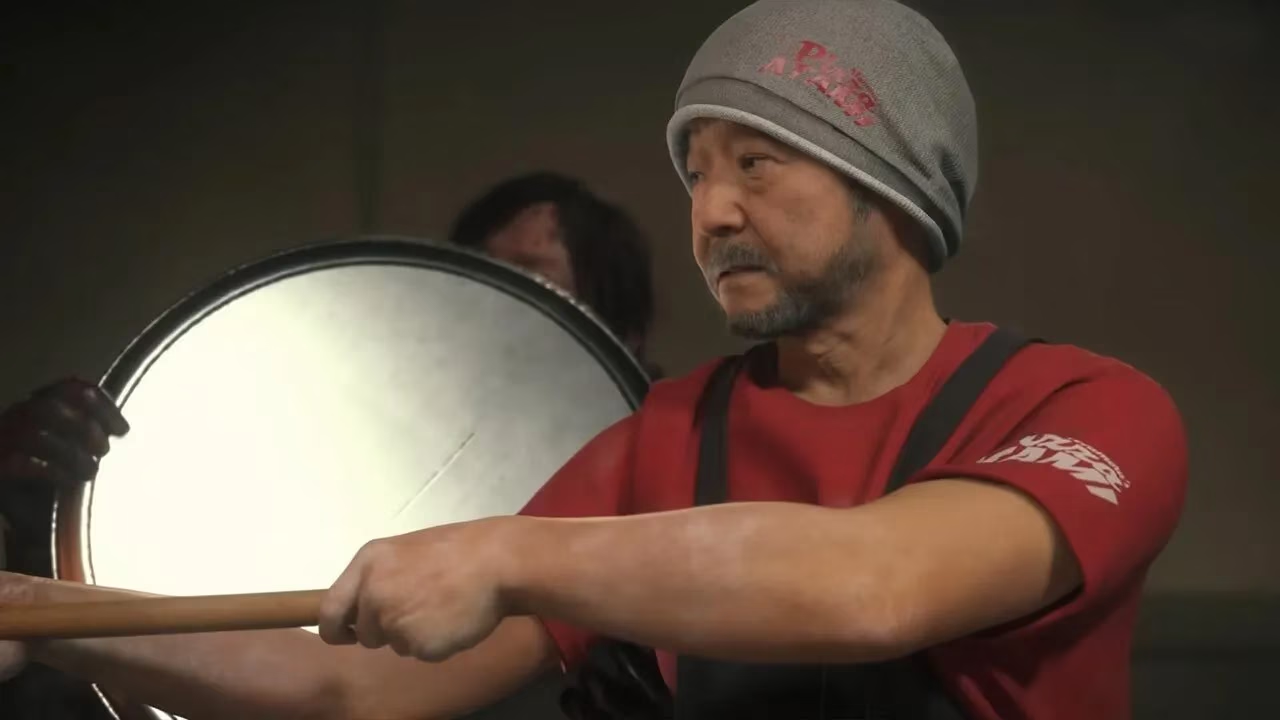
In one memorable scene, Sam almost gets wrecked by the Pizza Chef. Japanese filmmaker Mamoru Oshii provided the likeness for the character, and the art team incorporated his handwritten signature into the pizzeria logo. It is a small touch, but it shows how much personality Kojima Productions packed into even the strangest corners of the game.
All told, The Art of Death Stranding 2 is a must-have for anyone who loves behind-the-scenes game design. It pulls back the curtain on a sequel that could have been even stranger, and that is saying something. Whether fans are here for the mechs, the monsters, or the Metal Gear references, there is plenty of eye-popping art to explore. Long story short, some ideas deserved to survive the cutting room floor, while others are best admired from a safe distance.