
The announcement of Death Stranding 2 at the 2025 Game Awards sent a jolt of electricity through the gaming community. Fans of Hideo Kojima's unique post-Metal Gear opus were thrilled, but the excitement was quickly followed by a wave of speculation. A key focus of this chatter? The potential for a much more substantial and satisfying combat system. The final moments of the reveal trailer offered a major clue, reintroducing a familiar, menacing face: Troy Baker's Higgs, the charismatic leader of the Homo Demens and the primary antagonist from the first game. His dramatic return isn't just a narrative hook; it feels like a promise, a signal that Sam Porter Bridges might need to fight smarter and harder this time around.
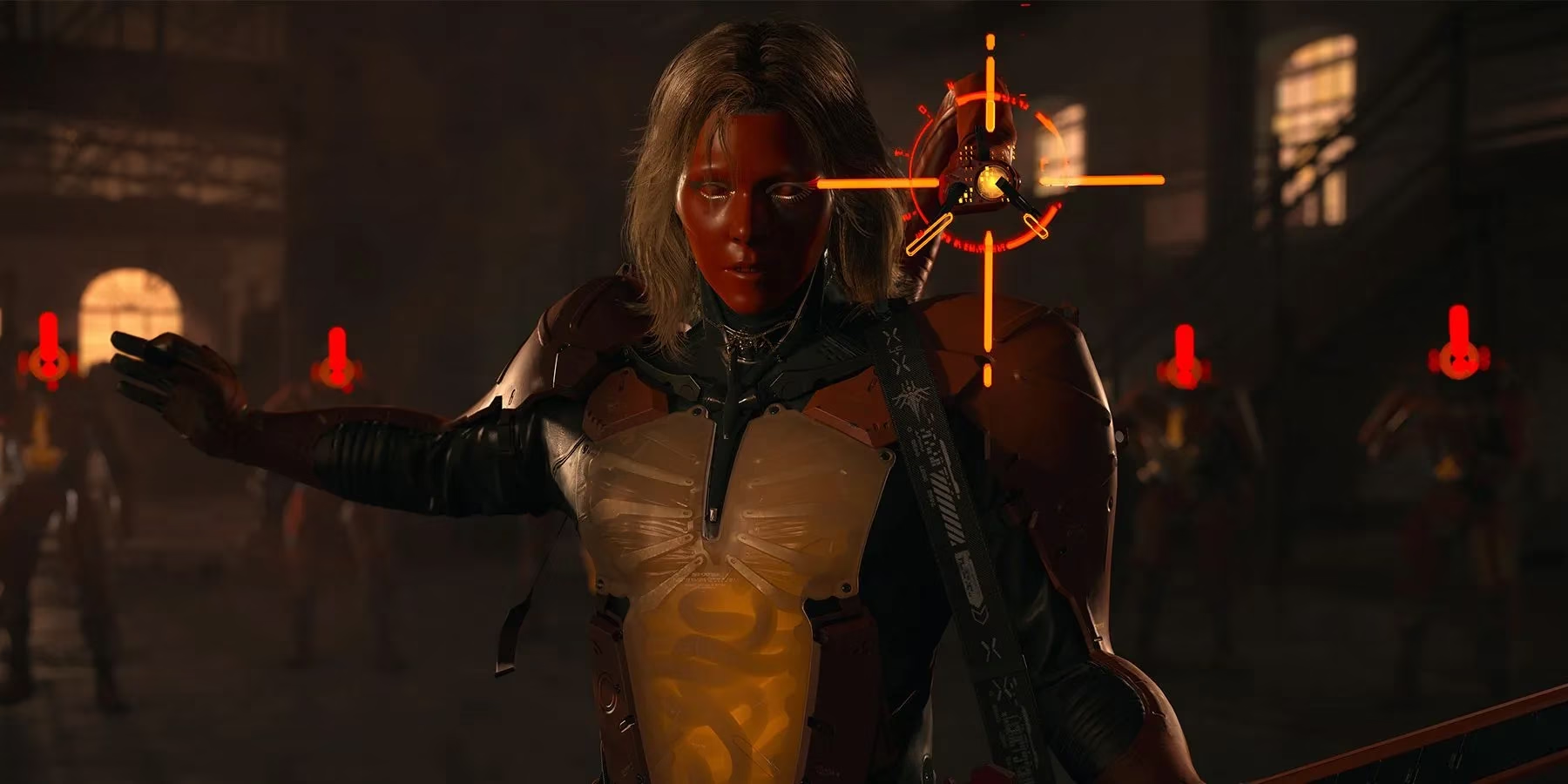
Let's be real, the first game's combat... well, it was a bit of an afterthought for a lot of players. The heart of Death Stranding was in the meditative, punishing traversal across a breathtakingly desolate America. Players spent most of their time carefully balancing packages, navigating treacherous terrain, and connecting isolated Knot Cities to the Chiral Network. Encounters with the cargo-obsessed MULEs or Higgs's terrorist faction, the Homo Demens, were relatively sparse. The game's mechanics actively incentivized avoiding fights—why risk your precious, fragile cargo? This design led to a common player lament: outside of the spectacular, weird boss battles, the action often felt clunky, rudimentary, and frankly, a bit underwhelming, especially when you were loaded down like a pack mule.
Players who braved the first Stranding will remember Higgs all too well. This wasn't your typical villain; he was a chaotic force with the power to summon BTs (Beached Things), using them as weapons against Sam's mission of connection. Higgs rarely fought fair or directly. He was a puppeteer, tricking Sam at critical moments—remember that bomb delivery to South Knot City?—and letting his Homo Demens foot soldiers or giant BT creatures do the dirty work. His story seemingly ended with him stranded on the metaphysical "Beach" after his final confrontation with Sam.
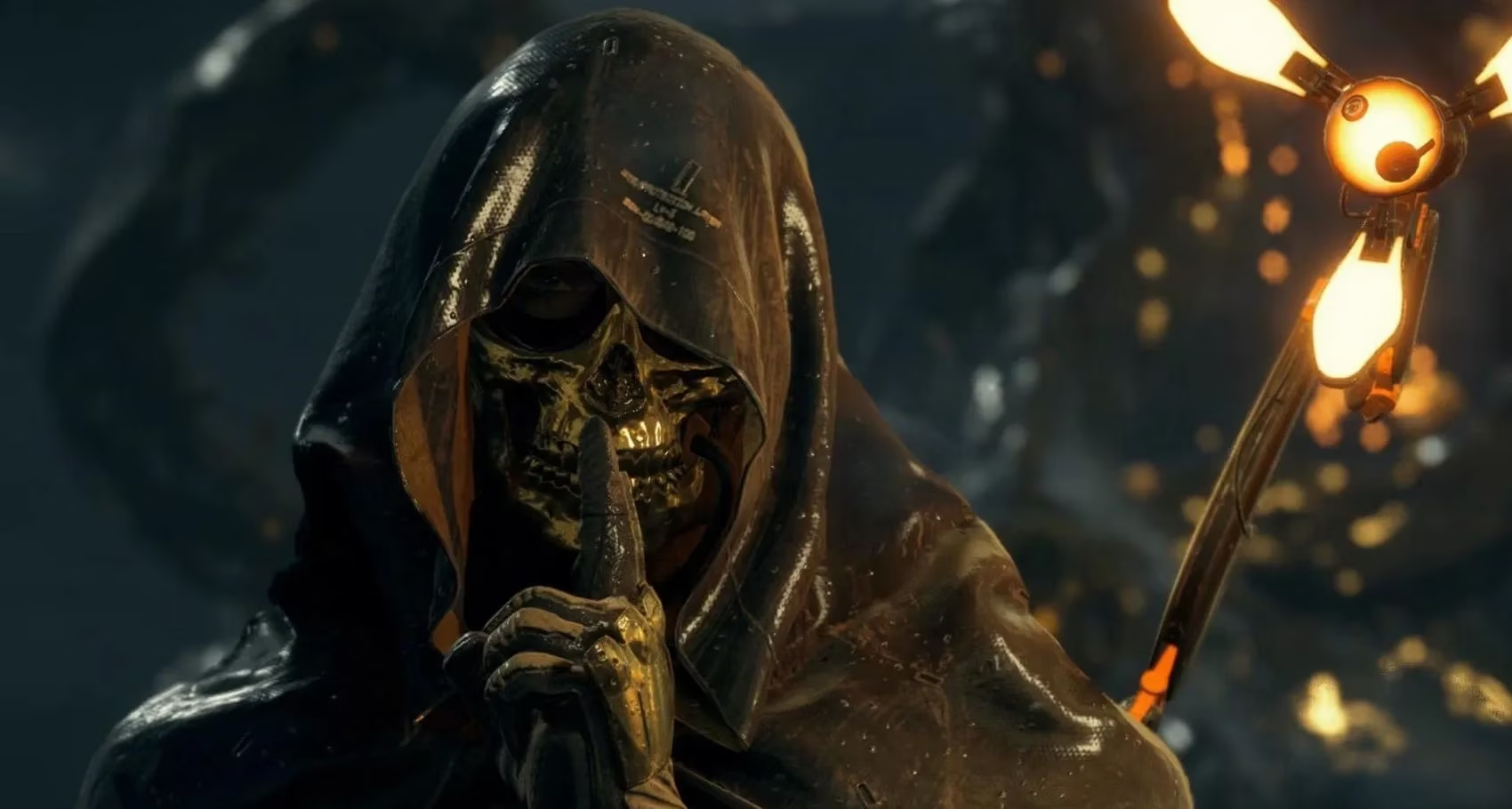
So, his return in the Death Stranding 2 trailer raises a ton of questions. How did he escape? And more importantly, what state of mind is he in now? The prevailing theory is one of desperation and vengeance. A man who has literally been to the void and back isn't coming for a friendly chat. This shift in motivation could directly translate to gameplay. We might be looking at more aggressive, unavoidable enemy encounters that force players into combat scenarios, rather than allowing them to simply sneak or run past.
The visual evidence supports this theory. Take a good look at the new trailer. Higgs and his Homo Demens aren't just back; they've had a serious wardrobe upgrade. They appear heavily armored, bedecked in gear that screams "prepared for war." This isn't the look of a faction that's just going to harass deliverymen; this is the look of an army ready to engage in sustained, direct conflict. It's a visual cue that can't be ignored.
Kojima Productions did try to address combat feedback with the Director's Cut of the first game, adding new tools and options. But it was a band-aid on a core design philosophy that was never about being combat-heavy. The sequel, however, has the opportunity for a fundamental rethink. The haunting new tagline, "Should We Have Connected?", suggests a radical thematic departure. The first game was a celebration of connection; the sequel seems poised to question it. If the core theme is changing, it stands to reason that the core gameplay supporting it might evolve just as dramatically.
What could this mean in practical terms? Here are a few possibilities for Death Stranding 2's gameplay evolution:
-
Enhanced Weapon Crafting & Mechanics: Moving beyond simple non-lethal rifles and grenades to a more nuanced system with weapon modifications, combo moves, and tools designed for aggressive enemy types.
-
Dynamic Enemy AI: Enemies, especially the Homo Demens, that actively hunt the player in smarter, more coordinated ways, making avoidance a tense game of cat-and-mouse rather than a simple detour.
-
Combat-Integrated Traversal: Using the environment and Sam's gear (like the exoskeleton) more actively in fights—think tactical repositioning, using cargo as impromptu shields, or setting traps.
-
Higgs as a Recurring Threat: Instead of just appearing in scripted boss battles, Higgs could become a persistent, stalking presence in the open world, forcing unexpected combat encounters.
While the Director's Cut added bits and pieces, the sequel needs to bake it right into the cake. The spotlight on Higgs at the end of that first trailer wasn't an accident. It feels like a statement of intent. Kojima is a master of subverting expectations, and after delivering a game famously about delivering packages, the natural evolution might just be a game where you have to fight desperately to protect those deliveries—and yourself. The strands that once connected us might now be the very things our enemies use to track us down. Only time, and likely a few more cryptic tweets from Kojima himself, will tell for sure. But one thing's clear: the beach is no longer a place of exile for Higgs, and the battlefield of America might be getting a whole lot more crowded.
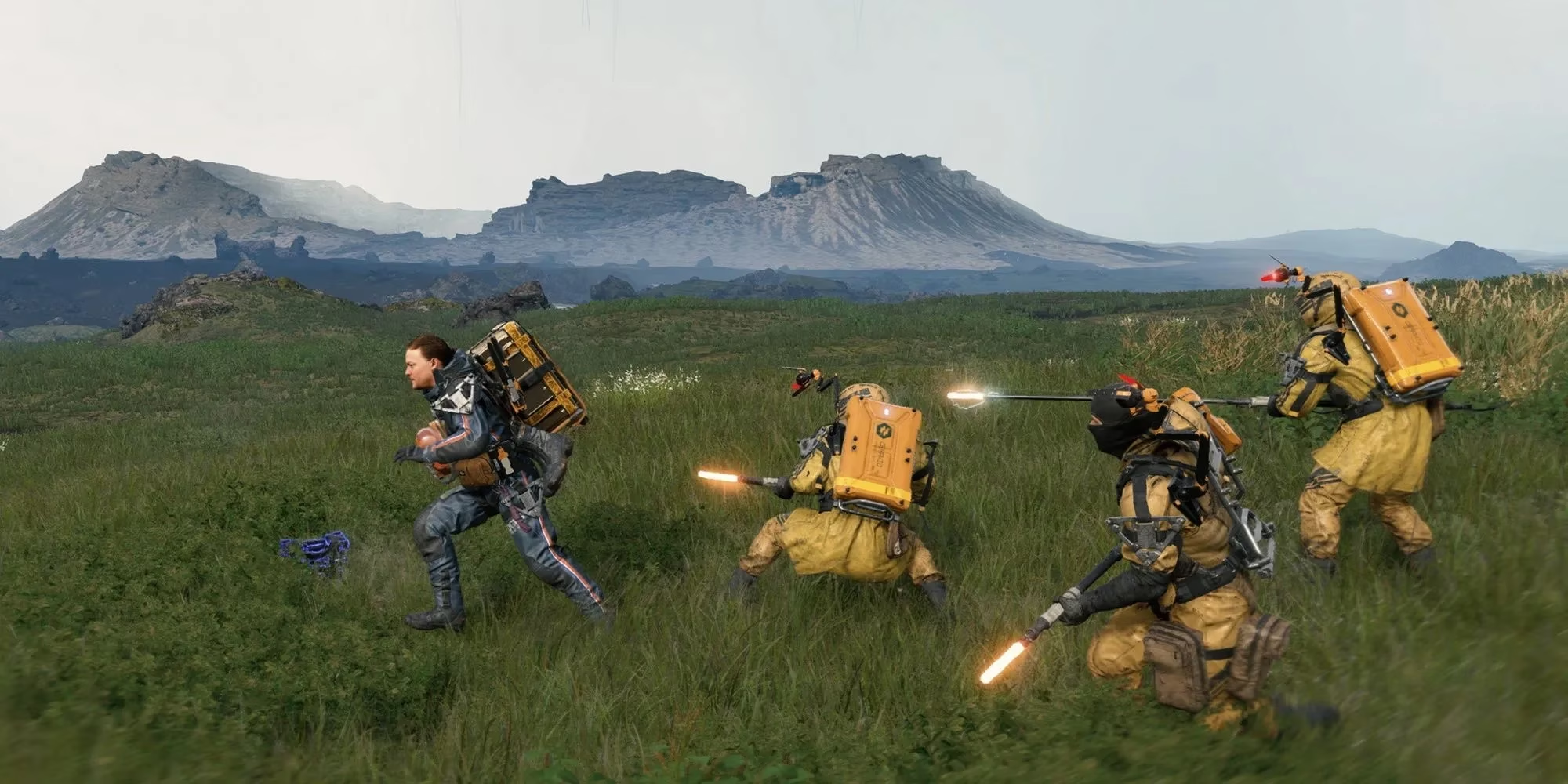
Death Stranding 2 is currently in development for PlayStation 5, and if the hints are anything to go by, players should start limbering up. The journey might require more than just strong legs and a steady back this time—it might require a quick trigger finger and a strategic mind for conflict. The question isn't just "Should we have connected?" but perhaps, "How fiercely will we fight to protect those connections?"