
The gaming world is once again buzzing with anticipation and speculation as Hideo Kojima prepares to release Death Stranding 2 in 2026. The original 2019 title was a lightning rod for discussion, achieving commercial success while polarizing critics and players alike. Its core gameplay loop of traversing desolate landscapes to deliver packages was a bold, unconventional choice that perfectly mirrored the game's themes of isolation and connection, yet left some craving more traditional action. Now, with the sequel on the horizon, Kojima Productions faces a monumental challenge: how to evolve this unique universe without losing its soul or alienating its dedicated fanbase.
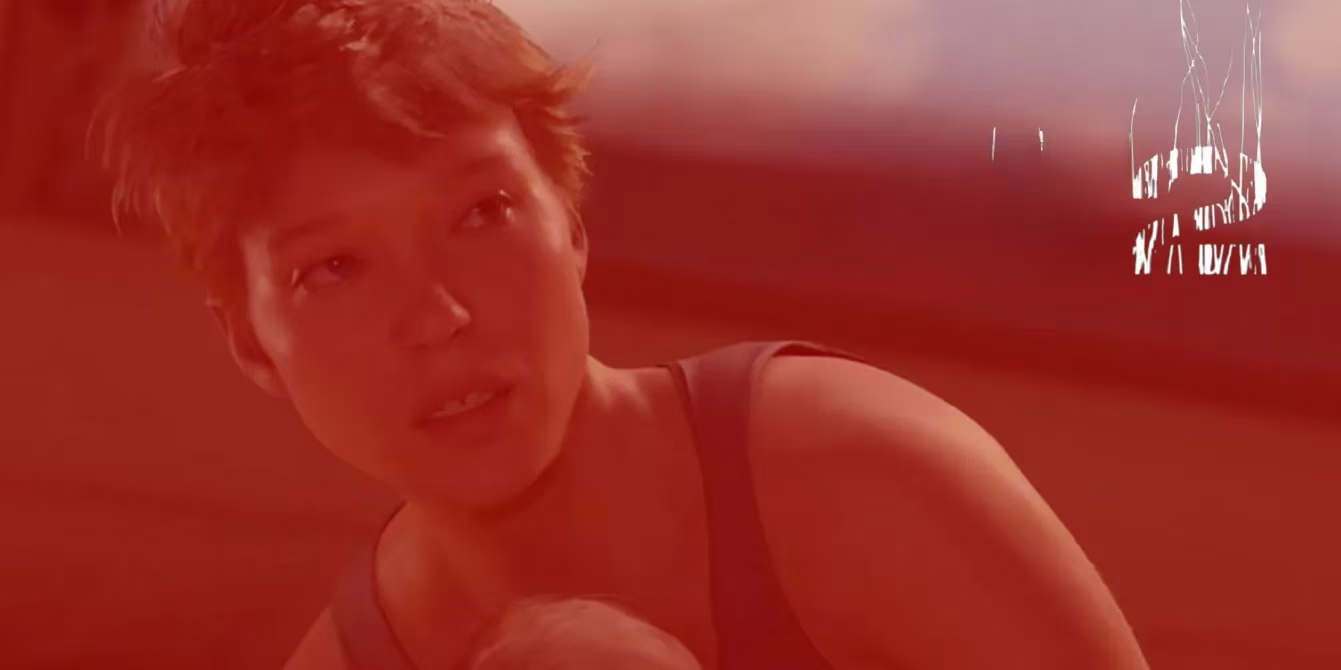
On one hand, the very existence of Death Stranding 2 is a testament to the powerful connection the first game forged with its audience. 🤔 This wasn't just a game; it was an experience. Players who embraced its vision found themselves captivated by a narrative about perseverance, human connection, and rebuilding a shattered world. For them, the meditative, often lonely act of delivery was the point, not a flaw. The sequel's reveal trailer, packed with Kojima's signature brand of surreal, high-concept weirdness, suggests he's doubling down on this artistic integrity. Fans who loved the original's distinct identity—its stark beauty, haunting soundtrack, and philosophical depth—are eagerly awaiting more of that unique flavor that set it apart from every other title on the market.
However, the reality of the video game industry in 2026 cannot be ignored. Sony, the publisher, undoubtedly took note of the original's mixed reception. The commercial landscape has evolved, with many of PlayStation's flagship titles like God of War: Ragnarok achieving massive success by masterfully blending narrative with accessible, action-packed gameplay. There's a legitimate question of whether Sony might push for a sequel with broader appeal. After all, a game is still a product meant to be sold. The Death Stranding: Director's Cut already hinted at a possible shift, introducing more weapons and stealth-action scenarios alongside its core delivery mechanics. Could this have been a test run, preparing players for a more action-oriented future?
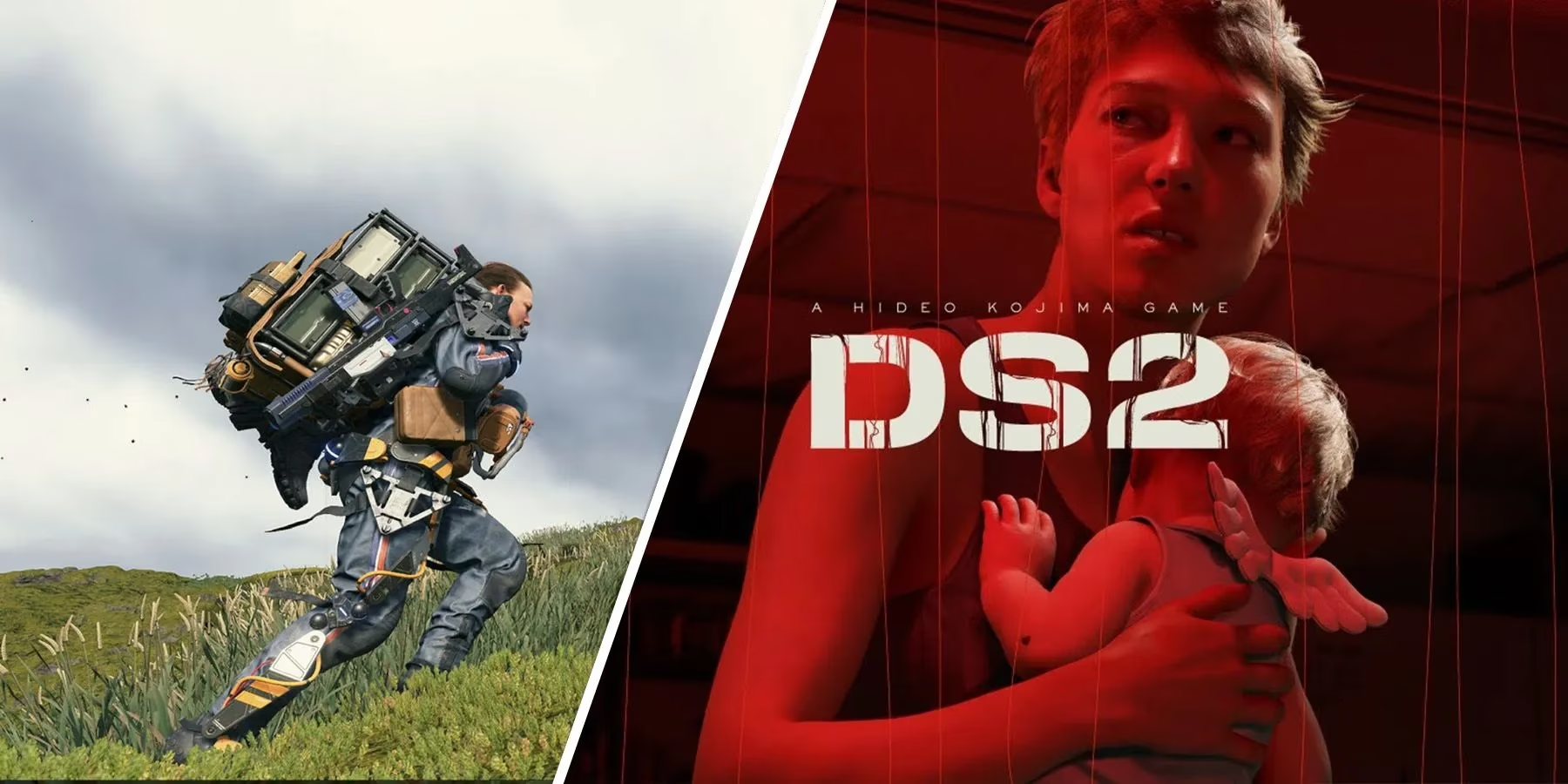
Let's break down the core dilemma facing the sequel:
-
The Artistic Path: Stay true to the original's vision. Deepen the lore, expand the traversal mechanics, and deliver another emotionally resonant, contemplative experience. This would thrill the existing fanbase but risks being dismissed as "more of the same" by critics and failing to attract new players.
-
The Mainstream Path: Incorporate more conventional action elements, set-piece moments, and perhaps a faster pace. This could open the game to a much wider audience and potentially replicate the blockbuster success of other Sony exclusives, but at the risk of diluting what made Death Stranding special in the first place.
Kojima Productions is truly in a bind. Whichever path they choose, they risk alienating a significant portion of their potential audience. It's the classic "rock and a hard place" scenario. If they change too much, the core fans who funded the sequel's creation might feel betrayed. If they change too little, they might miss the opportunity to win over the skeptics and achieve a new level of mainstream acclaim.
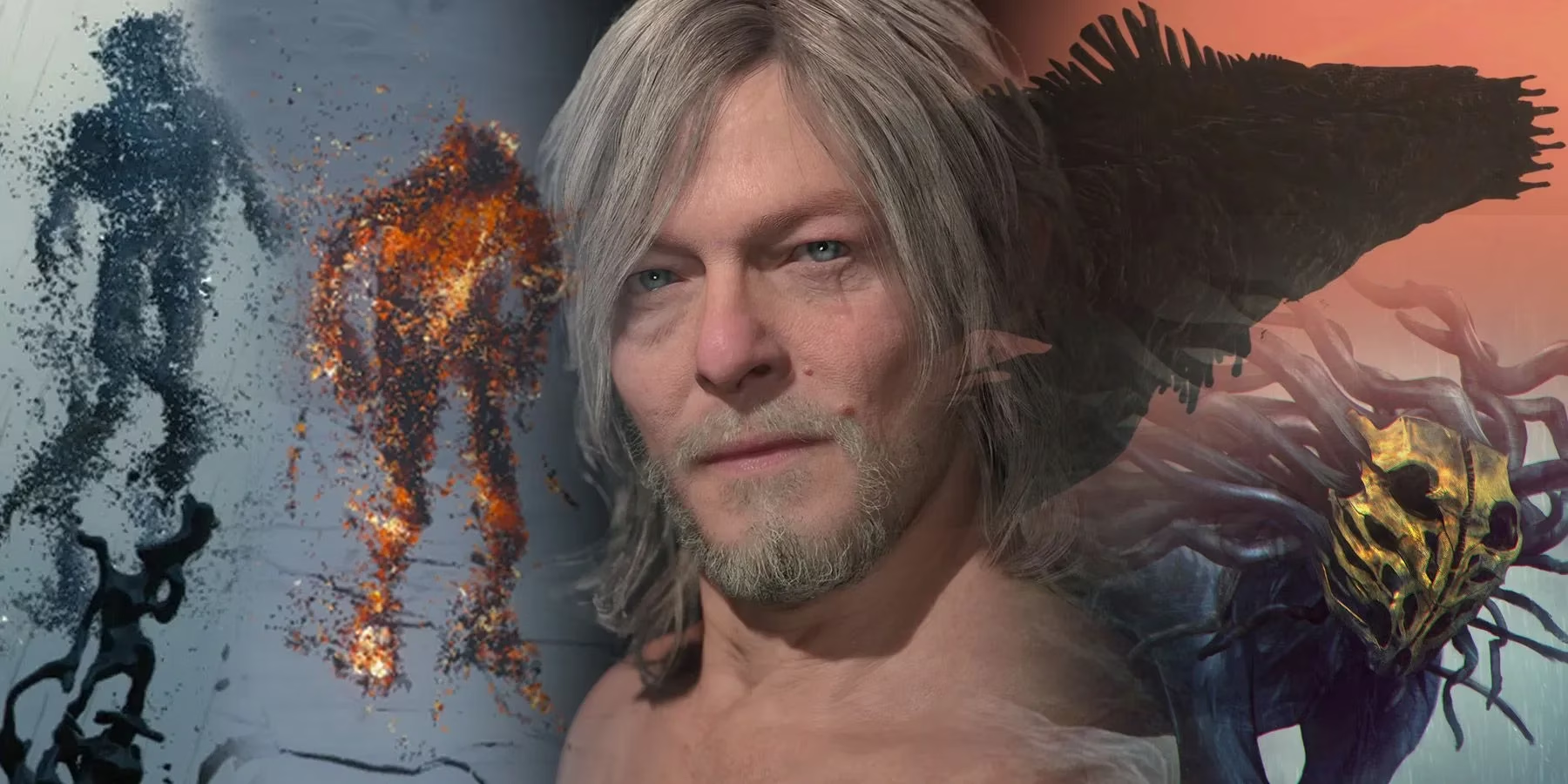
So, what can we realistically expect from Death Stranding 2 in 2026? The smart money is on evolution, not revolution. Kojima is an auteur who values his creative freedom, but he's also a savvy developer. The most likely outcome is a title that refines the original's strengths while thoughtfully integrating more engaging moment-to-moment gameplay. Imagine:
-
Enhanced World Interaction: More dynamic environments, wildlife, and unpredictable weather systems that truly challenge your planning and route-finding skills.
-
Deeper Narrative Branches: Perhaps a story that reacts more to your playstyle or delivery efficiency.
-
Expanded Social Strand System: Taking the asynchronous multiplayer connection concept to new, innovative heights.
-
Strategic Action: Not necessarily turning it into a shooter, but making encounters with MULEs or BTs more varied, tense, and strategic, building on the foundations of the Director's Cut.
The development of Death Stranding 2 is one of the most fascinating stories in gaming right now. It's a high-wire act between art and commerce, between niche appeal and mainstream acceptance. As we look toward its eventual release on the PS5, the entire industry will be watching to see if Hideo Kojima can once again defy expectations and deliver an experience that, for better or worse, is unmistakably his own. The journey continues, and the path forward is anything but clear. 🧳⚡